





ICT and Cultural Heritage: Research, Innovation and Policy
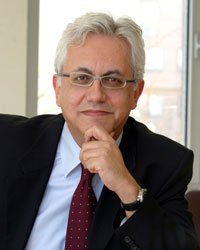 by Khalil Rouhana, Director, Digital Content & Cognitive Systems European Commission, DG Information Society and Media
The ‘European Competitiveness Report 2010’ identified the cultural and creative industries as one of Europe’s most dynamic sectors, accounting for 3.3% of EU GDP and 3% of employment. Beyond this important contribution to GDP, the creative and cultural sectors are indeed a vehicle of significant lifestyle changes and progress, including the development of modern skills, adapting teaching and learning and inter-generational and intercultural dialogues.
